Discovering Just How Business Philanthropy Shapes Brand Online Reputation and Consumer Loyalty
Corporate philanthropy greatly affects brand reputation and consumer loyalty. Firms that take part in authentic philanthropic initiatives often see a favorable shift in just how consumers perceive them. This placement of values cultivates depend on and emotional links with audiences. The efficiency of these kind efforts can vary significantly. Understanding what absolutely resonates with customers is crucial for brands looking for to enhance their social effect and market position. What methods will become necessary for future success?
The Evolution of Company Philanthropy
As services increasingly acknowledge their duty in society, the development of company philanthropy has transformed from plain charitable donations to a tactical component of brand identification. Originally, business participated in philanthropy largely for tax advantages or to enhance their public picture. With time, this approach moved as stakeholders-- consisting of financiers, clients, and staff members-- demanded a much more authentic commitment to social obligation.
Organizations started straightening their humanitarian efforts with their core values and organization purposes, leading to more thoughtful and impactful contributions. This change has encouraged companies to invest in sustainable practices and community growth, cultivating a feeling of purpose that resonates with consumers.
Moreover, technical developments have facilitated openness and engagement, allowing businesses to display their kind efforts much more effectively. As a result, business philanthropy has actually become an essential part of organization approach, with companies accepting the chance to positively influence culture while improving their total brand name narrative.
The Influence of Philanthropy on Brand Perception
While companies take part in kind initiatives to advertise social good, these campaigns greatly form brand understanding amongst customers. Business philanthropy can improve a brand's image by connecting it with favorable social effect and neighborhood participation. Consumers frequently regard brands that actively get involved in charitable activities as more trustworthy and accountable. This perception can affect purchasing choices, as customers may prefer brands that demonstrate a commitment to social issues.
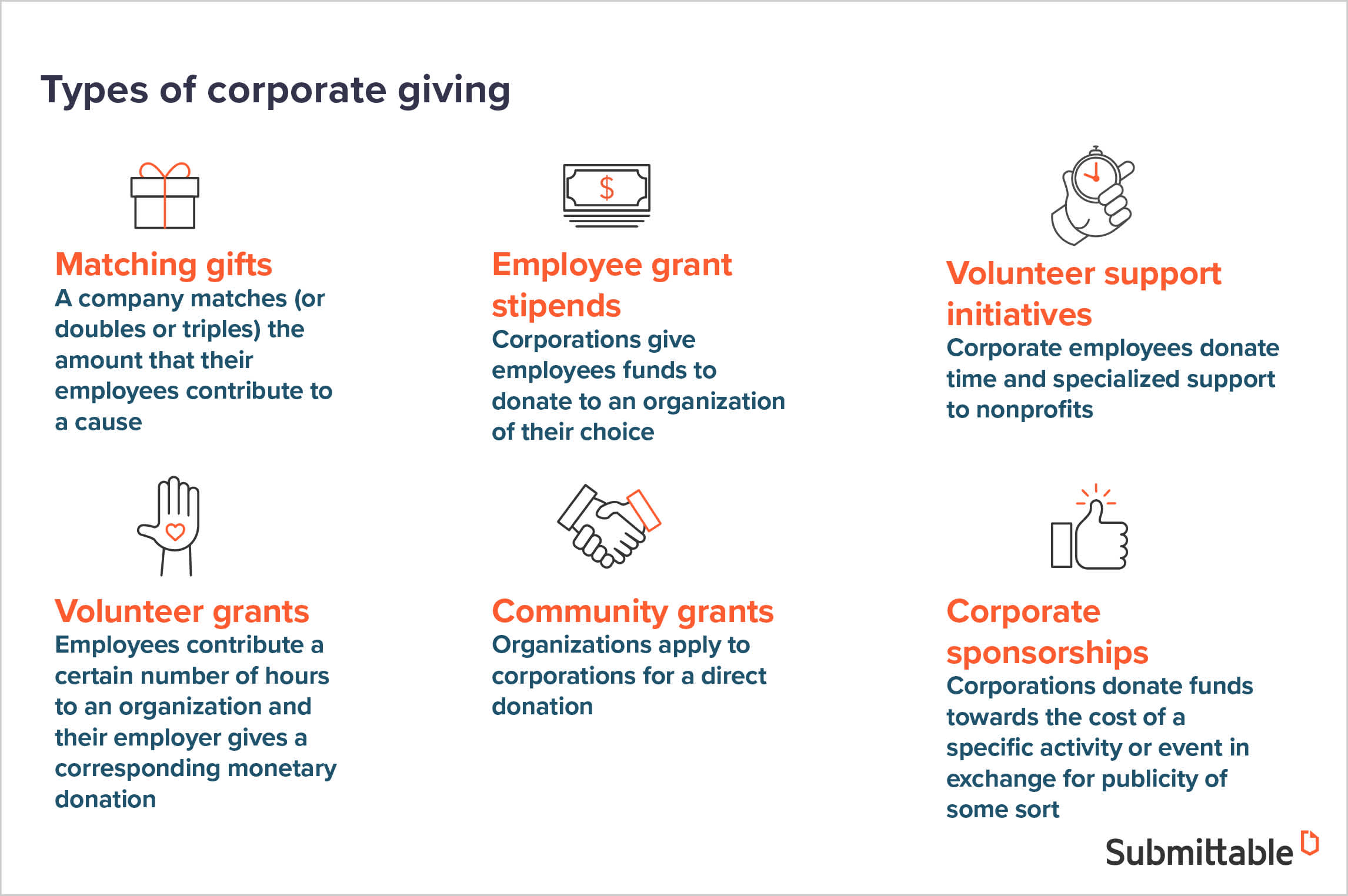
Building Emotional Links Through Granting
Business philanthropy functions as a powerful device for boosting brand name identity by linking corporate values with area demands. Via critical giving, business can cultivate area engagement and develop shared worths that reverberate with customers on an emotional level. This technique not just reinforces brand credibility however also constructs long-term connections in between businesses and their stakeholders.
Enhancing Brand Identification
When business participate in humanitarian efforts, they not only add to social good yet additionally build much deeper emotional links with their target markets. By aligning their brand name with philanthropic causes, firms boost their identification and signal worths that resonate with customers. This alignment creates a narrative that surpasses services and items, welcoming customers to join a shared objective. As consumers increasingly focus on purpose-driven brand names, business that actively take part in offering can differentiate themselves in a crowded market. Such efforts cultivate a feeling of loyalty amongst clients that feel personally linked to the brand name's values. Ultimately, corporate philanthropy becomes an important tool for improving brand identification, cultivating long lasting partnerships based on shared beliefs and psychological involvement.
Fostering Area Engagement
Countless researches indicate that business involving in community-focused humanitarian initiatives can substantially strengthen emotional links with their stakeholders. By spending in local tasks and sustaining social causes, companies grow a sense of belonging and trust within the area. This interaction promotes a positive brand image, as clients value firms that demonstrate genuine issue for social concerns. Additionally, staff members often really feel more inspired and proud to be associated with an organization that prioritizes community well-being. As a result, customers are much more most likely to develop loyalty in the direction of brand names that proactively add to purposeful reasons. Inevitably, cultivating community interaction with philanthropy not only improves brand track record however likewise develops long lasting emotional ties that benefit both the community and the company it offers.
Developing Shared Worths
Exactly how can services effectively create common values that reverberate with their stakeholders? Business can accomplish this by aligning their philanthropic initiatives with their core objective and the rate of interests of their neighborhoods. By engaging in campaigns that resolve regional requirements, companies cultivate psychological connections with consumers, boosting brand commitment. For example, partnering with non-profits that reflect shared worths enhances the brand's photo and demonstrates commitment to social duty. Furthermore, transparent interaction concerning these initiatives allows stakeholders to see the substantial effect of their payments. Eventually, by integrating common worths into their corporate philanthropy, business not just boost their credibilities yet likewise grow enduring connections with consumers, leading to increased commitment and trust. This positioning is important in modern-day consumer decision-making.
Instance Studies: Effective Philanthropic Campaigns
Analyzing effective philanthropic campaigns reveals numerous strategies that improve brand name online reputation. Impactful area initiatives, ingenious collaboration models, and long-lasting involvement strategies have shown reliable in fostering positive connections with customers. These case studies highlight the significance of thoughtful corporate giving in accomplishing both social and organization objectives.
Impactful Community Initiatives
Lots of firms have efficiently leveraged philanthropic projects to boost their brand credibility while making a significant influence in their areas. A modern technology firm launched a digital literacy program in underserved neighborhoods, providing training and resources that encouraged neighborhood homeowners. This campaign not just added to area advancement however likewise positioned the business as a socially accountable leader. A significant food firm carried out an appetite relief campaign, partnering with neighborhood nonprofits to disperse meals to families in need. This initiative enhanced community ties and cultivated client loyalty. Via these impactful campaigns, companies have shown their commitment to social responsibility, effectively straightening their brand worths with the demands of the neighborhoods they serve, ultimately boosting their general credibility.
Cutting-edge Collaboration Models
The success of impactful area efforts frequently rests on ingenious collaboration designs that combine varied stakeholders to deal with facility social difficulties. Study highlight exactly how firms, non-profits, and government entities can team up successfully. A multinational company partnered with a neighborhood non-profit to release an education program, merging sources and competence to boost community proficiency prices. Another example entailed a technology company and published here a health care company joining forces to establish a telemedicine remedy for underserved populations. These collaborations not just intensified the reach of philanthropic efforts yet additionally reinforced the brands' track records by aligning their missions with neighborhood requirements. Inevitably, cutting-edge partnership models function as a driver for purposeful adjustment and foster stronger connections between brands and their consumers.
Long-lasting Interaction Methods
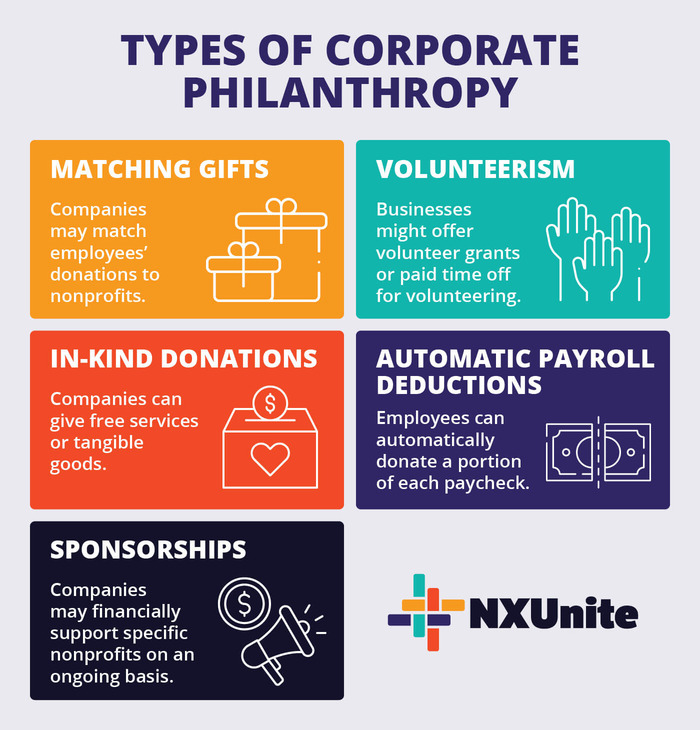
Gauging the ROI of Company Social Responsibility
As firms significantly buy corporate social duty (CSR) efforts, understanding the return on financial investment (ROI) connected with these initiatives ends up being important. Measuring ROI in CSR is complex, typically encompassing both qualitative and quantitative metrics. Economic returns can be evaluated via boosted sales, improved brand name loyalty, and boosted employee spirits, which can result in greater productivity. In addition, companies might analyze expense financial savings connected to lasting practices, such as minimized waste or power usage.
Qualitatively, the influence of CSR on brand track record can be evaluated with customer perception studies and social media sites belief evaluation. Studies can offer understandings right into how CSR tasks affect client commitment and trust. Benchmarking versus industry requirements can aid companies evaluate their CSR efficiency - corporate philanthropy. Inevitably, a comprehensive technique to gauging ROI enables companies to make educated choices about future CSR investments, straightening methods with both monetary efficiency and social influence
Consumer Expectations and Corporate Obligation
Progressively, customers anticipate firms to run with a solid feeling of company duty, viewing ethical practices as a prerequisite for brand commitment. This change in assumption mirrors an expanding recognition of social and ecological problems, leading clients to favor brands that align with their values. Customers are much more likely to support business that participate in clear techniques, show sustainability, and add positively to their communities.
In addition, social media sites magnifies these expectations, allowing customers to share their viewpoints and experiences promptly. Brand names that fail to fulfill these honest standards take the chance of backlash, while those that welcome business responsibility usually take pleasure in enhanced online reputation and client commitment. As consumers require accountability, firms should integrate corporate social obligation right into their core techniques, focusing on ethical habits not just as an useful site advertising and marketing strategy, however as a fundamental element of their procedures. This positioning can ultimately cause stronger brand fondness and continual success in competitive markets.
Future Fads in Corporate Philanthropy and Brand Commitment
The landscape of company philanthropy is developing, affected by the elevated customer expectations surrounding company responsibility. Business are significantly integrating social effect right into their core business methods, not just as an ancillary activity. Future patterns suggest a change towards transparency, with brands sharing comprehensive information about their humanitarian campaigns and their straight effects on communities.
Innovation is playing an essential role, enabling real-time engagement between brands and consumers. Social media platforms help with direct communication, allowing consumers to voice their expectations and hold brand names responsible. In addition, more youthful generations, specifically Millennials and Gen Z, focus on sustainability and honest methods, driving services to embrace more conscientious approaches.
As corporate philanthropy comes to be associated with brand identity, companies that authentically straighten their objectives with societal needs are likely Discover More Here to cultivate more powerful client loyalty. This merging of worths will eventually shape the future of corporate reputation and customer connections in a progressively conscientious industry.
Regularly Asked Concerns
How Do Customers Discover a Firm's Philanthropic Initiatives?
Consumers uncover a business's philanthropic initiatives through numerous channels, including social media sites, news release, community occasions, and word-of-mouth. These methods help with understanding, making it possible for people to involve with brand names that align with their interests and worths.
What Role Does Worker Involvement Play in Company Philanthropy?
Worker participation in business philanthropy boosts interaction, cultivates a sense of possession, and strengthens group cohesion - corporate philanthropy. This involvement commonly enhances the influence of charitable campaigns, leading to higher awareness and support for the firm's philanthropic efforts
Can Corporate Philanthropy Backfire on a Brand name's Reputation?
Business philanthropy can indeed backfire on a brand's online reputation if viewed as opportunistic or insincere. Adverse public perception may develop, causing reduced trust fund and loyalty among consumers who focus on credibility in company activities.
Are Smaller Companies as Efficient in Philanthropy as Larger Companies?
Smaller sized companies can be similarly efficient in philanthropy as bigger companies, usually showing dexterity and authenticity. Their localized efforts may resonate more deeply with communities, cultivating real links despite limited sources contrasted to their bigger equivalents.
Just How Can Firms Pick the Right Creates to Assistance?
Firms can pick the ideal causes by aligning their values with area demands, assessing stakeholder passions, and reviewing possible influence. This critical technique promotes authenticity, improves interaction, and enhances connections with customers and the broader area.
While firms engage in philanthropic efforts to advertise social great, these efforts significantly shape brand name understanding among consumers. As customers progressively focus on purpose-driven brand names, companies that proactively involve in providing can differentiate themselves in a jampacked market. Lots of business have efficiently leveraged kind campaigns to enhance their brand name track record while making a meaningful influence in their neighborhoods. Increasingly, customers expect firms to run with a strong feeling of business responsibility, viewing moral practices as a requirement for brand name loyalty. As corporate philanthropy ends up being synonymous with brand identity, firms that authentically align their goals with societal demands are likely to cultivate stronger client loyalty.